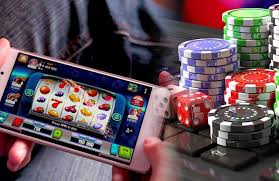

Global Casino Tourism vs Metaverse: A New Frontier in Entertainment
The world of entertainment is evolving at an unprecedented pace, with two standout phenomena taking center stage: global casino tourism and the metaverse. Global Casino Tourism vs Metaverse Casino Tourism Bitfortune app serves as a bridge to seamlessly experience the excitement of both realms. This article explores the dynamics of these sectors, their implications for the future of entertainment, and how they may intertwine to create a rich tapestry of experiences that captivate audiences worldwide.
The Allure of Global Casino Tourism
Global casino tourism has grown exponentially over the last few decades. Destinations such as Las Vegas, Macau, and Monte Carlo have become synonymous with lavish entertainment, high-stakes gambling, and luxurious hospitality. These cities attract millions of visitors each year, drawn not just by the chance to win big, but by the entire experience that surrounds casino life. A night out at a casino is often complemented by fine dining, world-class shows, and exclusive nightlife, creating a holistic experience that appeals to a broad audience.
Many travelers seek immersive adventures in vibrant casino settings where glamour meets excitement. This burgeoning industry has not only boosted local economies but has also given rise to a complex web of services, from travel agencies specializing in casino tours to highly curated packages that include transportation, accommodation, and entertainment. As a result, the global casino tourism landscape has become a thriving ecosystem that encourages competition, innovation, and luxury.
The Rise of the Metaverse

In stark contrast, the metaverse represents a digital universe defined by virtual and augmented realities. It is a collective virtual space, created by the convergence of virtually enhanced physical reality and physically persistent virtual reality. Within this digital realm, users can interact, socialize, and engage in various activities — from gaming to virtual exhibitions — all powered by cutting-edge technology.
The potential applications of the metaverse are vast, transcending traditional gaming to encompass everything from virtual real estate to digital economies. As companies invest in this emerging space, we see the birth of virtual casinos that offer immersive gaming experiences without the geographic limitations of physical locations. Players can enjoy a virtual version of poker, slots, or roulette while mingling with others from around the globe. The allure of winning from the comfort of one’s home has made the metaverse an attractive alternative for casino enthusiasts.
Bridging the Gap: The Intersection of Casino Tourism and the Metaverse
As global casino tourism and the metaverse both currently trend upwards, an interesting intersection is beginning to form. The advent of virtual casinos presents a unique opportunity to combine the vibrant essence of physical casinos with the conveniences of digital engagement. Imagine being able to visit a lavish virtual casino where the grandeur of a Las Vegas resort is recreated for immersive experiences, allowing participants to interact in real time with players from all over the world.
This intersection can leverage the strengths of both sectors. For instance, physical casinos could develop metaverse versions of their establishments, promoting their brands and attracting new audiences who may not have the opportunity to travel. Meanwhile, those within the metaverse could be enticed to visit physical casino locations through targeted promotions and exclusive events, merging digital realities with physical experiences.
Challenges and Opportunities

Despite the exciting possibilities, challenges persist in harmonizing global casino tourism and the metaverse. Regulatory concerns, including gambling laws and age restrictions, must be addressed to ensure fair play and safety in both realms. Additionally, the technology required to create seamless virtual experiences may remain beyond the reach of some operators, leading to disparities in service quality and accessibility.
Moreover, the unique social experience offered by physical casinos cannot be wholly replicated in the metaverse. Many patrons value the tactile sensations of chips, the physical interactions with staff, and the atmospheric ambiance of a bustling casino. Thus, while the digital realm presents significant opportunities, it must complement rather than wholly replace the thrill of in-person gambling experiences.
The Future of Entertainment: What Lies Ahead?
As we forge ahead into a future that is likely to include both global casino tourism and the metaverse, the key will be to create a synergy that enhances user experience. Integrated marketing strategies that combine physical and virtual incentives could redefine how audiences engage with gambling. We could see the emergence of hybrid events that bring together both online and offline experiences, blurring the lines between digital and physical entertainment.
Incorporating technology such as virtual reality (VR) and augmented reality (AR) into traditional casinos could further enrich the visiting experience, providing patrons with an interactive layer that adds excitement to their outings. Likewise, casino operators focusing on diversifying their offerings in the metaverse could foster innovation and keep players engaged for longer periods.
Conclusion
The realms of global casino tourism and the metaverse represent two sides of the same coin, both crucial to the future of entertainment. By examining their dynamics and opportunities for intersection, businesses can innovate and enrich the experiences they provide for customers. As travelers seek immersive adventures that combine the excitement of traditional casinos with cutting-edge virtual entertainment, the prospects of an integrated future look promising. The evolution of these sectors will undoubtedly reshape how we think about gambling, entertainment, and social engagement in the years to come.