
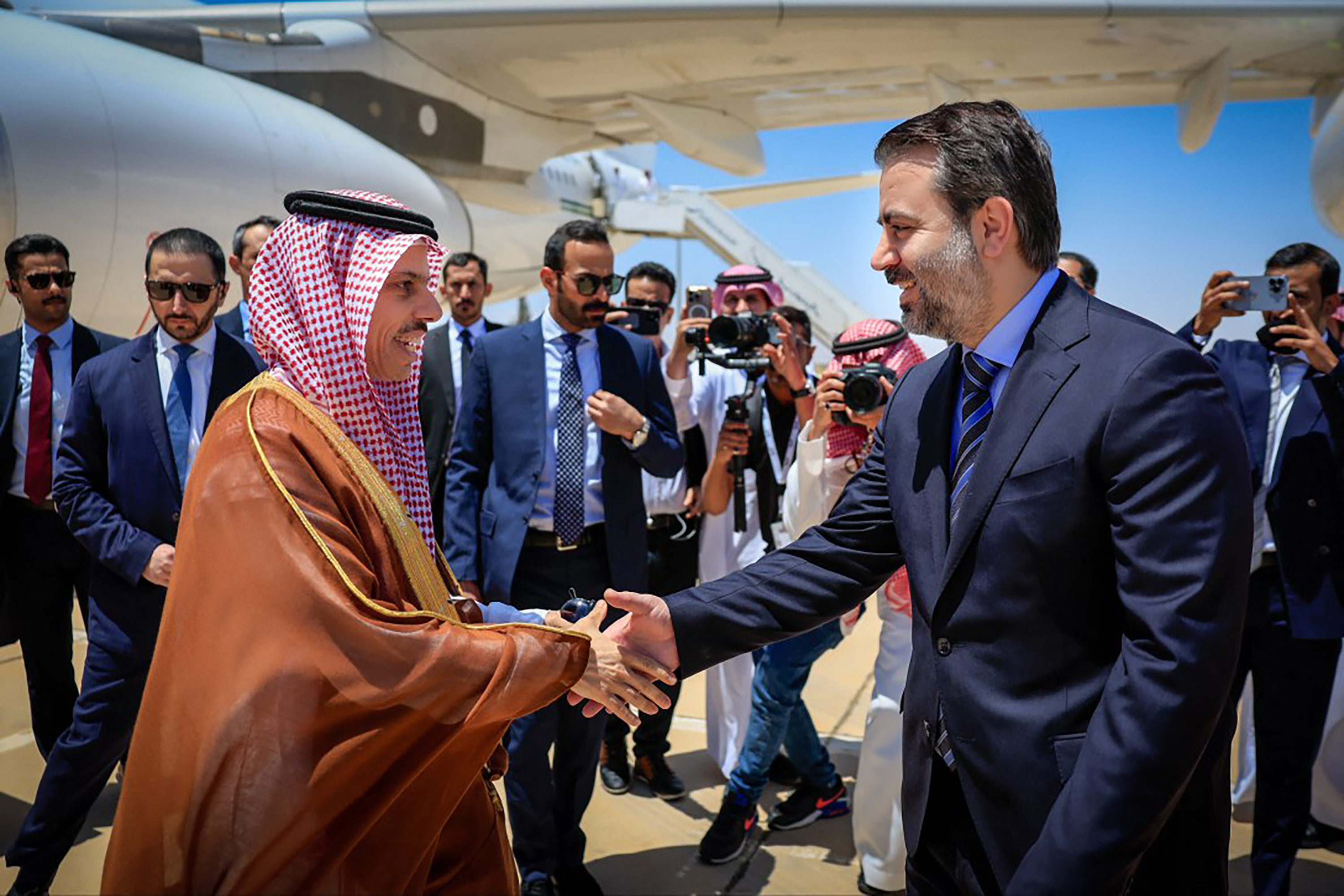
The Implications and Dynamics of Saudi Arabia Sanctions
In recent years, the topic of Saudi Arabia sanctions has garnered significant attention due to its complex geopolitical landscape and the growing influence of various international players. Understanding the motivations behind these sanctions, their implementation, and their effects on Saudi Arabia and the global community is critical for comprehending the current state of international relations in the region.
Historical Context of Sanctions
Sanctions against Saudi Arabia can be traced back to various incidents over the decades, including human rights violations, regional conflicts, and terrorism financing. The international community’s response has evolved over time, leading to sanctions that are imposed by individual nations or coalitions such as the European Union or the United Nations.
Historically, the most prominent sanctions were instituted after the 2018 assassination of journalist Jamal Khashoggi in the Saudi consulate in Istanbul. This widely condemned act prompted several Western allies to reevaluate their diplomatic and economic relations with the Kingdom.
Types of Sanctions
The sanctions applied to Saudi Arabia manifest in various forms, each with distinct implications. They can include:
- Economic Sanctions: These restrict trade, investment, and financial transactions with Saudi entities. The aim is to exert economic pressure that could lead to changes in policy or behavior.
- Diplomatic Sanctions: These involve the downgrading or suspension of diplomatic relations, which can impede Saudi Arabia’s ability to engage on the global stage.
- Targeted Sanctions: Specific individuals, companies, or sectors may be targeted, aiming to minimize collateral damage while exerting pressure on the Saudi government.
Motivations Behind Sanction Imposition
The motivations for imposing sanctions on Saudi Arabia are multifaceted. Human rights concerns rank high on the list, particularly regarding the country’s history of political repression and its treatment of dissidents. Additionally, Saudi Arabia’s involvement in the ongoing conflict in Yemen and its strategic relationships with other nations attract scrutiny.

Moreover, sanctions might also stem from a desire to push for reforms within the Kingdom. For example, the international community often calls for more transparency and accountability in governance. Sanctions could act as a tool to encourage such changes.
Impacts of Sanctions on Saudi Arabia
The consequences of the sanctions on Saudi Arabia are profound and multifaceted. Economically, while the Kingdom continues to maintain a strong oil export position, sanctions can potentially limit its economic diversification efforts. Initiatives like Vision 2030, intended to reduce Saudi Arabia’s dependency on oil, may face hurdles without international support and investment.
Politically, the Kingdom may find itself more isolated on the global stage. The imposition of sanctions often leads to strained relationships with crucial allies, forcing Saudi Arabia to seek partnerships with countries that may be at odds with Western policies, such as Russia and China.
Moreover, the internal impact within Saudi Arabia could also be significant. Public sentiment may shift against the ruling government as economic challenges worsen. The ruling family may feel compelled to appease the populace, leading to potential political reforms or, conversely, more authoritarian measures to maintain control.
Global Reactions and Perspectives
The international community is not monolithic in its response to Saudi Arabia’s actions and the subsequent sanctions. While nations like the United States and several European countries have taken a firm stance against the Kingdom, other countries may express support or indifference towards Saudi actions.
Countries in the Middle East often view Saudi Arabia through a different lens, given its influence in regional politics and economy. While some neighboring states may support sanctions as a form of political pressure, others may see an opportunity to strengthen their own relations with the Kingdom amidst global backlash.
Future Prospects
As the situation continues to evolve, the future of sanctions against Saudi Arabia remains uncertain. The Kingdom’s response to international pressure, in conjunction with its ongoing efforts to reform and modernize its economy and governance, will determine the trajectory of relations with the global community.
Various factors will influence future sanctions, including shifts in global oil markets, the political climate in the United States, and the changing dynamics among major world powers. Moreover, global crises like the COVID-19 pandemic have shifted priorities, creating a complex environment where sanctions may be reevaluated.
Conclusion
The sanctions imposed on Saudi Arabia reflect a complex interplay of political, economic, and social factors. While aimed at influencing behavior and policy change, their implications extend beyond the immediate objectives, impacting the Kingdom’s position globally and its internal dynamics significantly. Continued observation and analysis of this issue are critical, as the sanctions landscape is likely to evolve alongside global geopolitical changes.
