
Understanding the odds A guide to calculating casino payouts
The Basics of Casino Odds
Casino odds refer to the likelihood of a particular outcome in a gambling scenario. Understanding these odds is crucial for players who want to make informed decisions while wagering their money. Each game in a casino presents its own set of odds, which dictate the probability of winning a bet. For example, in games like blackjack, the odds can shift based on the number of decks in play and the player’s strategy, making it essential to grasp how these variables influence outcomes. Additionally, many enthusiasts have turned to the Chicken Road 2 App, which provides a unique take on probability within a game environment, available at https://chicken-road-2-download-bd.com.
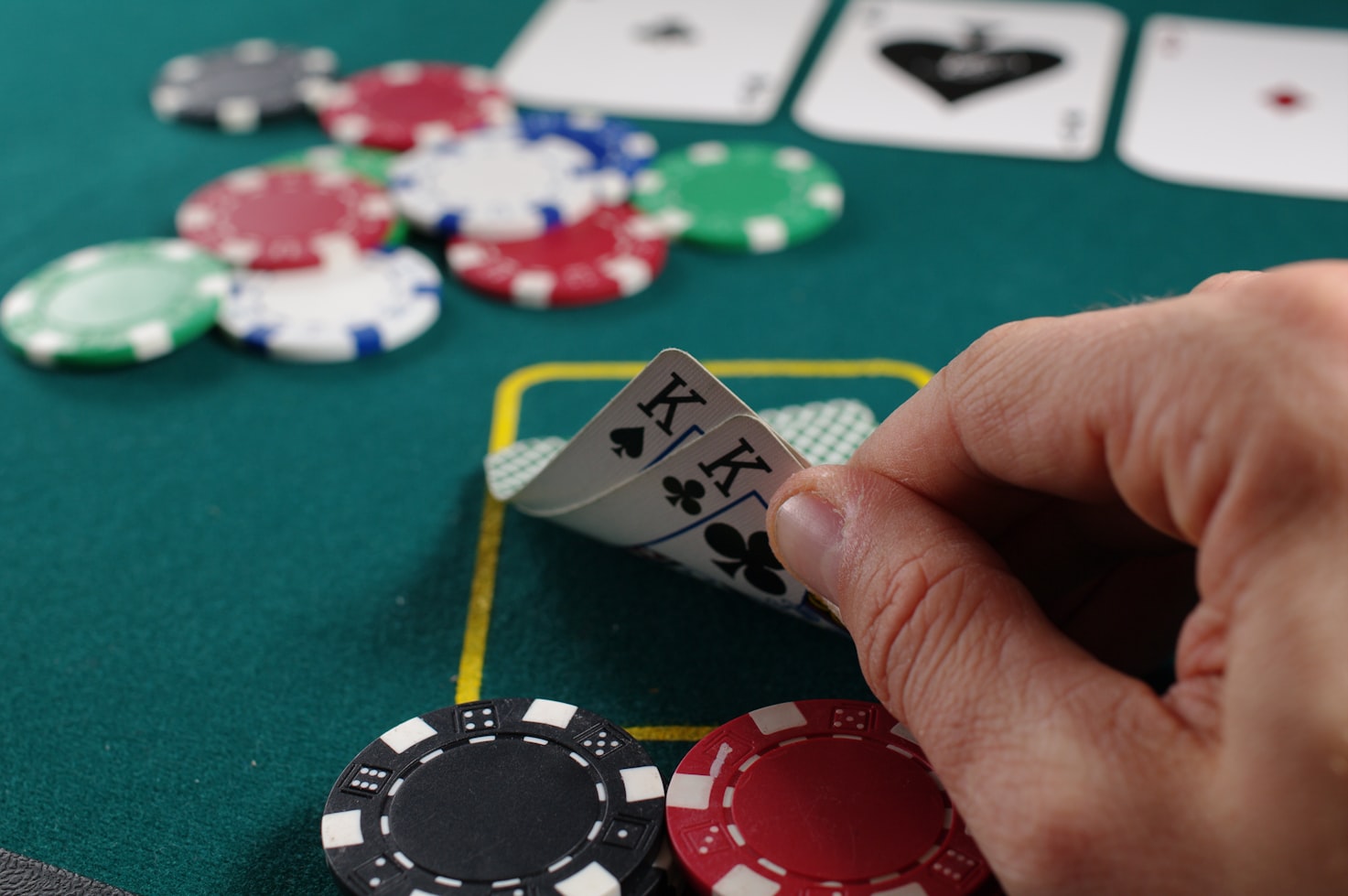
When calculating odds, it’s important to recognize the difference between the house edge and payout ratios. The house edge represents the casino’s built-in advantage over players, while payout ratios indicate what players can expect to win based on their wagers. Knowing these distinctions helps gamblers gauge their potential returns and losses. For example, a slot machine with a 95% payout ratio implies that, on average, players can expect to get back $95 for every $100 wagered over the long run.
The concept of odds extends beyond mere numbers; it encapsulates the psychology of gambling. Players often perceive odds differently based on their emotional state and risk tolerance. Understanding this psychological aspect can lead to smarter betting strategies, as players who grasp the odds are less likely to be swayed by irrational thinking or gut feelings during gameplay.
Calculating Payouts in Different Games
Each casino game has its unique way of calculating payouts, making it essential for players to understand the mechanics behind them. For instance, in roulette, the payout for a straight-up bet on a single number is 35 to 1, meaning a successful $1 bet would yield $35 in winnings, plus the original bet. However, the odds of hitting that number are only 1 in 37 in European roulette, reflecting a significant house edge.
In contrast, games like baccarat have different payout structures. A winning bet on the banker usually pays 1 to 1, but a commission is taken on such bets. Understanding these nuances can help players make smarter decisions when placing their bets. Calculating the potential payouts and understanding the associated risks allows gamblers to develop better strategies tailored to each game.
Moreover, video poker offers a unique challenge, as payouts can vary based on the specific version of the game and the player’s skill level. With optimal strategies, players can significantly increase their expected payouts compared to merely playing on instinct. This highlights the importance of familiarizing oneself with the rules and payout tables of any game being played, as the potential for winning can greatly differ based on the player’s expertise.
The Impact of House Edge on Player Expectations
The house edge is a critical factor that influences player expectations and long-term outcomes in casino games. This built-in advantage ensures that the casino remains profitable over time, regardless of short-term results. Understanding the house edge is vital for players seeking to maximize their potential winnings while minimizing losses. For example, the house edge in slots can range from 2% to 10%, varying greatly from one machine to another.
Knowing the house edge helps players set realistic expectations for their gambling sessions. A game with a lower house edge, such as blackjack with optimal strategy, may yield better returns compared to games with a higher edge, like certain slot machines. Players need to be aware that this percentage indicates how much of every dollar wagered the casino expects to keep over the long term, thereby influencing their overall strategy and betting behavior.
Ultimately, players who understand how the house edge operates can better manage their bankrolls and play strategies. Recognizing that even the best players will face losses due to the house edge enables them to play more responsibly and enjoyably, rather than chasing unrealistic outcomes or losses. This understanding can foster a more sustainable approach to gambling that emphasizes enjoyment over mere financial gain.
The Role of Variance and Volatility
Variance and volatility are terms that describe the risk associated with different casino games and how they affect payouts. Variance refers to the fluctuation in the amount a player might win or lose over time, while volatility denotes the frequency and size of those wins. Understanding these concepts is essential for players who want to choose games that align with their risk tolerance and playing styles.
For example, high-volatility games, such as certain slots, may lead to significant wins but come with a higher risk of prolonged losses. In contrast, low-volatility games typically yield smaller, more consistent wins. Knowing the variance associated with a game can help players align their gambling experiences with their financial situations and emotional comfort levels, allowing for a more tailored approach to gameplay.
Additionally, variance plays a crucial role in the overall gambling experience. Players who enjoy the thrill of big wins may be drawn to high-variance games, whereas those who prefer steady, smaller payouts may gravitate toward low-variance options. Understanding these aspects can greatly enhance a player’s enjoyment and satisfaction, making the gambling experience more engaging and less stressful.

Exploring Casino Resources for Players
In today’s digital landscape, players have access to a wealth of resources that can enhance their understanding of casino payouts and strategies. Online forums, blogs, and instructional videos can provide invaluable insights into the intricacies of casino games. Many websites focus on educating players about odds, strategies, and payout structures, empowering them to make informed decisions when gambling.
Additionally, many casinos offer comprehensive guides and tutorials on their platforms, allowing players to familiarize themselves with the rules and payouts of various games before risking their money. Engaging with these resources can significantly improve a player’s chances of success and enjoyment while gambling, ultimately making for a more rewarding experience.
By actively seeking out educational resources, players can cultivate a deeper understanding of casino games and develop better strategies tailored to their personal preferences. This knowledge not only increases the likelihood of winning but also promotes responsible gambling practices, ensuring a more fulfilling experience overall. Emphasizing education and self-awareness in gambling can lead to a healthier and more enjoyable relationship with casino gaming.

No comment yet, add your voice below!